Commercial & Corporate Litigation · Sydney & NSW
Has a contract been breached, has a partner walked, or have you been served with a claim that could take your year? With Law Flow you get a NSW solicitor who has appeared in the Local, District, Supreme and Federal Courts, with AI-assisted discovery and research that keeps the cost of document review down.
Is this you?
The decisions that determine the cost of a commercial dispute are made in the first few weeks, usually before anything is filed. That is the point at which advice is worth the most and costs the least.
Any of these apply? A free 30 minute consultation to discuss your situation, identify apparent urgent deadlines and scope the next steps. Detailed advice may require document review. Call 0480 893 317 or request a call back.
Scope of work
Commercial disputes across the NSW and Federal court hierarchy, for businesses and for individuals with a commercial claim.
Time critical
The cost of litigation is set less by the size of the claim than by how well the first six weeks are run.
In the NSW courts a defence is generally due within 28 days of service. Missing it invites default judgment, which then takes a separate application to unwind.
If you need to stop conduct, delay is itself evidence against you. Applications for urgent relief are strongest when brought immediately.
Generally six years from the breach in NSW, with shorter periods for some claims. Waiting also degrades the evidence you will need to prove the case.
Once a dispute is reasonably anticipated, relevant documents must be preserved. Putting the hold in place early avoids serious problems at discovery.
Lawyer-led, AI-assisted
In most commercial cases, discovery and document review is the largest single cost and the least strategic work in the file. That is precisely what AI is best at, and it is why our litigation budgets look different to a traditional firm.
Large document sets are processed quickly to help identify the material documents, so review time is concentrated on the ones that matter to the case.
Authorities are located and tested quickly, so pleadings, submissions and interlocutory applications are drafted from a complete picture rather than a partial one.
Keeping the cost base down means the decision whether to continue can be driven by the merits and the commercial value of the claim rather than by what the other side is willing to spend.
We use AI-assisted tools to support legal research, document review and initial drafting, with the work checked by the solicitor responsible for your matter. Combined with low office overheads, this helps us work efficiently and keep costs proportionate.
The time and cost involved depend on your matter’s complexity, documents and scope. We explain the proposed work and fees upfront, with fixed-fee options where the scope allows.
Tell us what you are dealing with and we will explain the proposed work and the fees before anything starts.
Book A ConsultationHow it works
A free 30 minute consultation with Tristan, Principal Solicitor, to discuss your situation, identify apparent urgent deadlines and scope the next steps. Detailed advice may require document review.
You get a written scope and a price for the next stage before any work starts. No open-ended retainer, no surprise invoices.
The documents, ledgers and authorities are processed at speed, then reviewed by your solicitor. This is the stage traditional firms bill hardest.
Advice, negotiation, drafting and advocacy are done by the lawyer with carriage of your file, and you deal with him directly throughout.
Cost
Uncontrolled legal costs are the reason good commercial claims get abandoned. We budget by stage, and we tell you when a claim is not commercially worth running.
A free 30 minute consultation to discuss your situation, identify apparent urgent deadlines and scope the next steps. Detailed advice may require document review.
Pre-action, pleadings, discovery, evidence and hearing are each quoted so you approve the next stage before it begins.
Letters of demand, dispute triage and defence assessments are commonly quoted as a fixed fee.
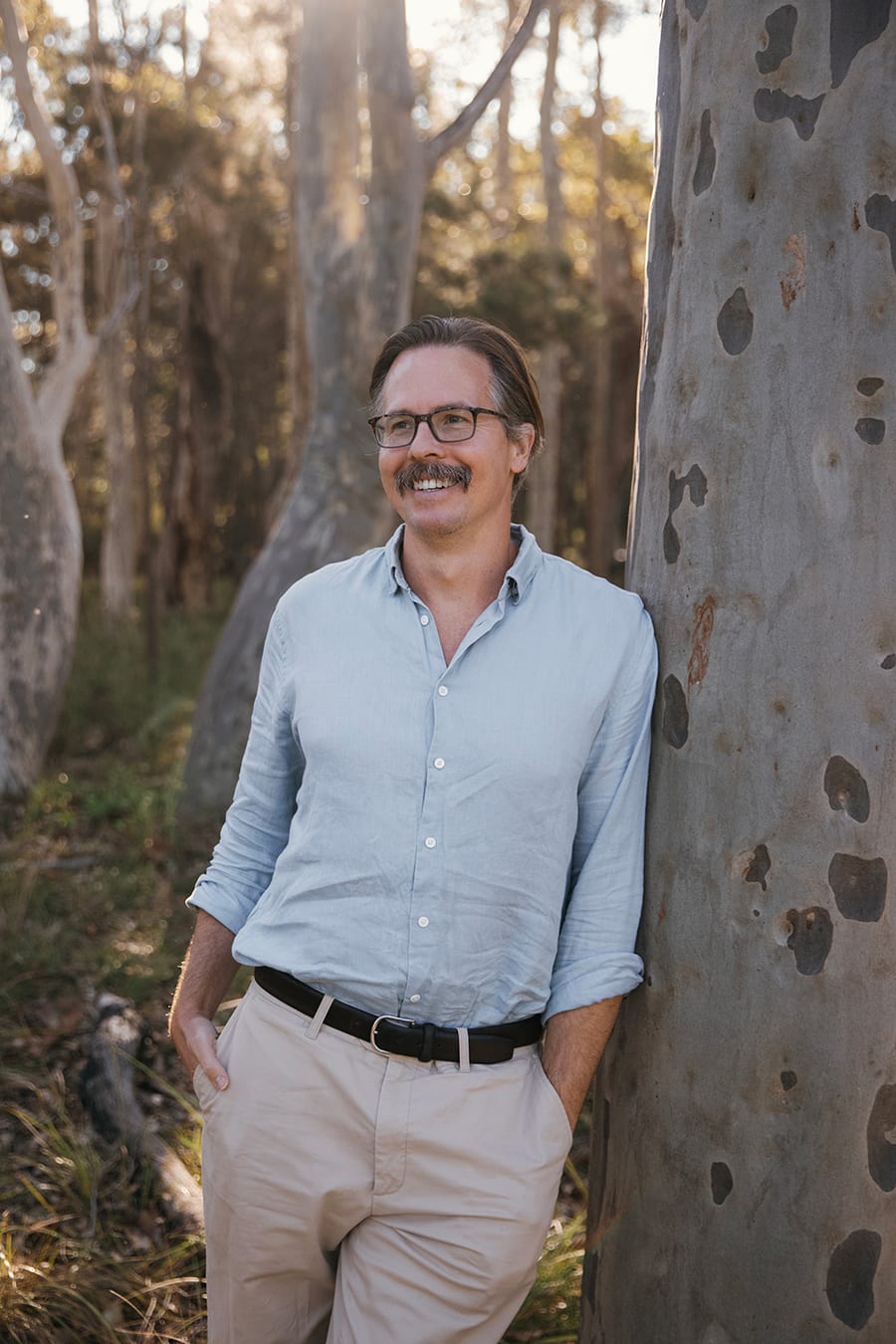
Your lawyer
Tristan Burt
Principal Solicitor
Tristan is the person who listens to your situation, understands your goals and builds the strategy. He is a NSW registered solicitor with years of experience from top-tier firms across Australia, Asia and Europe, and has built Law Flow’s AI systems to amplify his judgement, not replace it. He is the ultimate decision maker on your matter.
Common questions
Many resolve within a few months through pre-action correspondence and mediation. A matter that runs to a contested hearing in the District or Supreme Court is more commonly a one to two year process. The strategy we recommend depends on which of those you can commercially tolerate.
It depends on the type and value of the claim, the parties and the orders sought. The Local Court generally hears civil disputes up to $100,000. The District Court hears ordinary civil claims up to $1,250,000, subject to exceptions and to a higher amount where the parties consent. The Supreme Court hears complex commercial disputes and matters within its specialist or exclusive jurisdiction, including equitable relief such as an injunction. Some federal law claims can be brought in the Federal Court. We assess the appropriate forum before proceedings are started.
A successful party usually recovers a proportion of its costs, commonly in the range of sixty to seventy percent on the ordinary basis. Costs recovery is a factor in strategy but rarely a complete answer, which is why controlling the spend from the start matters.
Used properly it is the opposite. Courts have been clear that AI output must be verified by the lawyer, and that is exactly how we work. Every citation and submission is checked by the solicitor responsible for the file. Our AI use follows the Law Society of NSW Statement on the Use of AI in Australian Legal Practice, and client material is handled under business grade terms that prohibit it being used to train AI models.
Yes. We regularly review live matters, give a frank assessment of the position and the likely spend to finish, and take carriage where that makes sense. Bring the pleadings and the last few invoices to the consultation.
Next step
Thirty minutes with the solicitor who would run your matter. Bring the contract and the correspondence so we can discuss your situation, identify apparent urgent deadlines and scope the next steps.